Grooming and the warning signs
Abuse is seldom sudden. It is a slow process called grooming, and predators groom parents as well as children.
Why it goes unseen
It rarely looks like danger
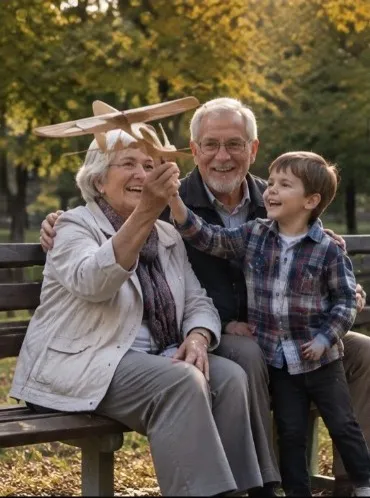
The hardest pill for society to swallow is that abuse is rarely a sudden, violent event. It is a slow, methodical process called grooming. And predators don't just groom children. They groom parents, too.
A predator will often make themselves indispensable to a family. They are:
- The coach who offers free private lessons
- The fun uncle who always brings the best gifts
- The family friend who is always willing to babysit
They build unquestioned trust with the parents to gain unmonitored access to the child.
Source: RAACE, The Power of Prevention (2026), section 1
How grooming works
The process of grooming
Grooming is the process by which an offender draws a child into a sexual relationship and keeps that relationship secret. It increases the offender's access to the child and makes discovery less likely. Building affection and trust, and then betraying it, is at the centre of it.
The process often looks similar from one offender to the next:
- A nonsexual relationship is established.
- The offender gains the trust of the child and the family, and seeks time alone with the child.
- The relationship is sexualized gradually.
- The child's cooperation and silence are maintained through various forms of coercion.
- The child goes along with increasing demands, with a growing sense of betrayal and guilt.
Most offenders will continue to abuse children if they are not reported and stopped.
Safety rules for the real world
Three rules a family can start today
Grooming depends on secrecy, blurred boundaries and time alone. These rules take all three away.
- No secrets
- Predators rely on secrets. Teach your child from a very young age the difference between a surprise and a secret. A surprise (like a birthday party) is fun and temporary. A secret isolates the child. Strict family rule: it is never okay for an adult to ask a child to keep a secret from their parents.
- Body autonomy
- Your child owns their body. If they don't want to hug Uncle John, kiss Grandma, or high-five the coach, do not force them. Teaching them that they control their boundaries at age 4 protects them from manipulation at age 14.
- Open-door policy
- Reconsider traditional unmonitored settings. Keep hangouts, gaming, and internet use in highly trafficked areas of the home, like the living room or kitchen.
Source: RAACE, The Power of Prevention (2026), section 1
Recognizing and reporting
Warning signs, and what to do
Child sexual abuse is rarely committed in public, and abusers are seldom caught in the act. A child in distress due to sexual abuse will exhibit signs that are often vague and difficult to spot. However, informed adults can prevent and interrupt abuse.
Emotional and behavioral changes
- Depression, anxiety, or sudden withdrawal
- Suddenly refuses to change for gym or participate in activities
- Demonstrates bizarre, sophisticated, or unusual sexual knowledge for their age
- Bed wetting, specifically in older children
Increased fear and physical signs
- Nightmares or excessive crying
- Sudden fear of particular people or places (especially someone they used to trust)
- Pain, discomfort, or bleeding at the genitals
- Has difficulty walking or sitting
Note: children who have not been abused may display these behaviors at times. But when exhibited regularly or in combination, seek professional guidance.
If you are worried about a child
If you suspect child abuse, contact your local Child Advocacy Center or call the Childhelp National Child Abuse Hotline, 1-800-4-A-CHILD (1-800-422-4453), staffed 24/7 with professional crisis counselors. If a child is in immediate danger, call 911.
Law enforcement strives to protect all children, but they cannot cover every area of a community. If you suspect a child needs help, reporting provides a crucial link between a caring professional and a hurt child.
Source: RAACE, The Power of Prevention (2026), section 4
Until every child is safe from abuse, our race has no finish line.
The guidebook and the Circle of Trust reach families free of charge. Your support pays for what stands behind them.